


-

A
Garmin Ciclocomputador Edge® 1060
731.49 €
-

A
Garmin Ciclocomputador Edge 1050 Bundle
687.49 €
-

A
Bryton Rider 550D CAD/HRM cycling computer
134.99 €
-
A
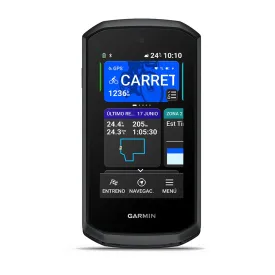
Garmin Ciclocomputador Edge® Explore 3
394.99 €
-

A
Giant RideDash Plus 2 ANT+ LEV cycling computer
77.99 €
-

A
Coospo CS600 cycling computer
104.99 €
-

A
Union 21TW cycling computer
51.49 €
-

A
Shimano Steps SC-EN610 E-Tube cycling computer
185.99 €
-

A
Bryton Rider 460D cycling computer
125.49 €
-
A
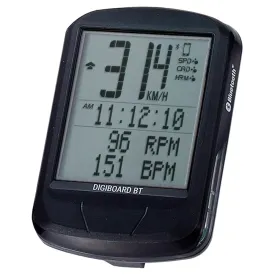
BBB DigiBoard BT 42 cycling computer
59.99 €






What data can a bike computer record?
Depending on the model, a bike computer can display speed, distance and activity time. Devices with GPS can also record your route. To obtain cadence, heart rate or power data, you will normally need compatible external sensors, which may be sold separately.
If you want structured training, check that the device supports planned workouts and is compatible with the sensors and platforms you use.
Do all GPS bike computers include navigation?
No. Some primarily use GPS to record activities, while others let you follow a route using a line on the screen or include maps, turn-by-turn directions and route recalculation.
Before buying, check whether you can import routes, which maps are included and which navigation features work without a phone connection.
Can I sync my rides with my phone, Strava or TrainingPeaks?
Many connected bike computers can transfer activities through the manufacturer´s app or a Wi-Fi connection. Integration with Strava, TrainingPeaks and other platforms depends on the model and may require linking your accounts and enabling synchronisation.
Phone notifications and live tracking are separate features: check their availability and whether they require a phone with an internet connection during your ride.
Why choose a bike computer instead of using a smartphone?
A bike computer provides a dedicated screen for ride data and lets you preserve your phone´s battery for communication or other uses. Depending on the model, it may also make connecting sensors and operating the device with buttons or a touchscreen easier.
Compare battery life, sunlight readability, water resistance and the included mount. These features vary between devices.
Which bike computer best suits my cycling style?
For urban commuting and occasional rides, prioritise ease of use, clear data and sufficient battery life for your routes.
For road cycling training, check compatibility with power meters, heart rate sensors and structured workouts.
For MTB, gravel and cycle touring, pay particular attention to navigation, offline map availability, readability and battery life. If you take long rides, also check charging options while the device is in use.
How long does a bike computer battery last?
Battery life depends on the model and conditions of use. On rechargeable devices, screen brightness, GPS settings, navigation, temperature and active connections can affect actual battery life.
Check the stated battery life for the mode you intend to use and allow some margin for unexpected situations. For multi-day trips, check how you can recharge the device; do not assume that a single charge will last for the entire journey.
How can I check whether my sensors are compatible?
Check whether the bike computer supports ANT+, Bluetooth or both, and confirm that it recognises the type of sensor you want to connect. Sharing a connection technology does not guarantee that all accessory functions will be available.
Also check what is included with your purchase: the device may be sold on its own or in a bundle with a mount and sensors.


